




Running a small medical practice is not easy. Doctors and staff have to care for patients, manage schedules, handle insurance, and keep the business running.
Large clinics have teams and technology to handle billing and payments. But small practices often have just a few people doing everything. This can lead to delays, errors, and missed payments.
That is where Revenue Cycle Management, or RCM, helps. Good RCM systems make billing faster, easier, and more accurate. They give small practices a way to compete with larger clinics.
What Is Revenue Cycle Management
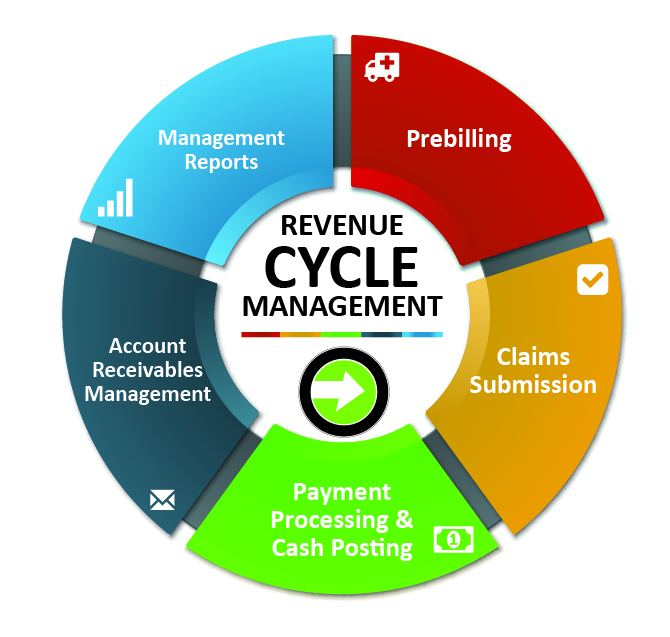
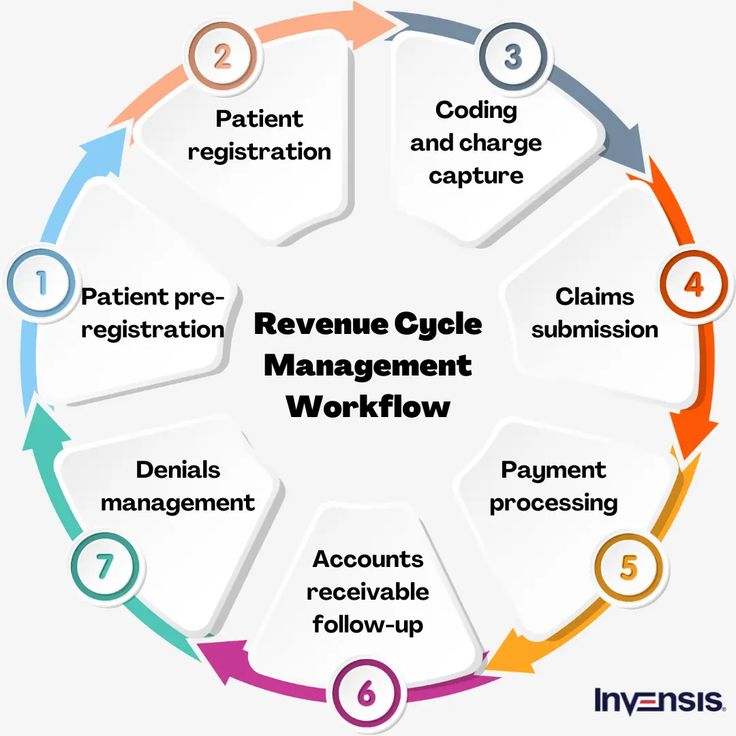
Revenue Cycle Management is how a healthcare practice tracks its money. It starts when a patient makes an appointment and ends when the payment is collected.
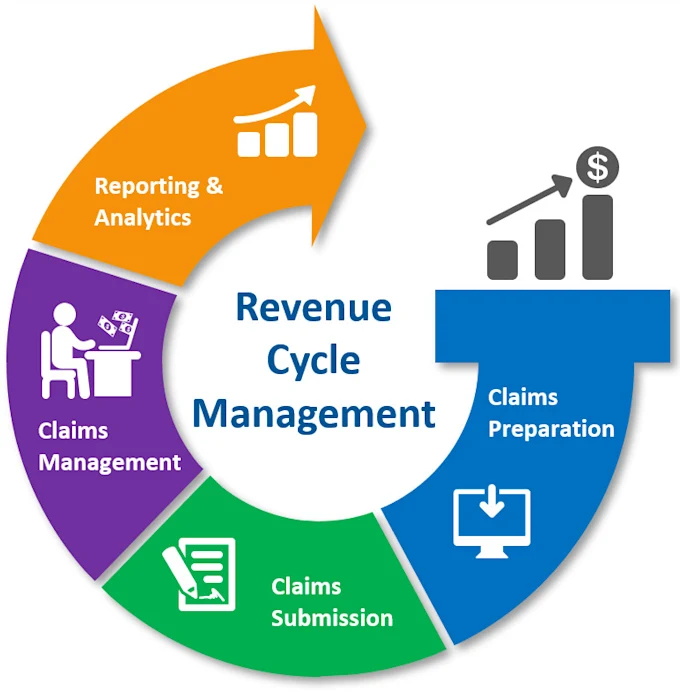
Every step in between, such as insurance checks, coding, claim submission, and payment posting, is part of RCM.
When done well, RCM makes sure that services get billed correctly and payments come in quickly. It also helps prevent claim denials and lost income.
Why Small Practices Fall Behind
Big clinics often have full billing departments. They use advanced software, expert coders, and detailed reports to track payments.
Small practices do not always have that. Many depend on one or two staff members to handle billing while also helping patients.
That means claims take longer to submit, errors happen more often, cash flow becomes unpredictable, and staff get overworked.
This creates a big gap between small and large practices. But with the right RCM tools, small practices can close that gap and run just as efficiently.
Benefit 1: Faster Payments and Better Cash Flow
When billing is slow or claims get rejected, payments can take weeks or months to arrive. That hurts small practices that rely on steady income.
A strong RCM process makes payments faster. It checks for missing data, corrects coding errors, and sends claims on time. It also tracks every claim until payment is complete.
Faster payments mean a stronger cash flow. The practice can pay bills, staff, and vendors without stress. It also creates a steady rhythm with money coming in regularly, not in unpredictable bursts.
Benefit 2: Fewer Billing Errors and Claim Denials
Even one wrong code or missing detail can cause a denied claim. Fixing it takes time and often means lost money.
RCM systems help prevent this. They check claims before sending them out and follow payer rules. They stay updated with new coding standards and changes in billing laws.
When a claim is denied, RCM tools find the reason and correct it quickly. This reduces lost revenue and keeps the billing process smooth.
Small practices gain big benefits from this accuracy. It saves hours of work and prevents frustration for both staff and patients.
Benefit 3: Less Time on Paperwork, More Time for Patients

Administrative work can take up most of the day. Staff must verify insurance, enter patient data, and track claims. It is tiring and takes focus away from patient care.
With RCM tools or outside billing support, much of this work can be automated or managed by experts. That means fewer manual tasks and fewer mistakes.
When staff spend less time on billing, they can focus on what matters most, the patients. Better attention means happier patients, more trust, and stronger relationships.
Benefit 4: Access to Smart Reports and Insights
Data is powerful. RCM software gives small practices access to detailed reports and dashboards that show how the practice is performing.
You can see how many claims were paid, how fast payments arrive, which claims get denied most often, and how much revenue each service brings in.
These insights help small practices make better business decisions. If a certain insurance company pays slowly, you will know. If coding errors keep happening, you can fix them.
Large clinics already use this kind of data. Now, small practices can do the same and compete with the same level of understanding.
Benefit 5: Cost Control and Predictable Spending
Many small practices worry about cost. Hiring billing staff, buying software, and training employees can get expensive.
Using RCM systems can reduce those costs. Instead of paying for new staff or tools, the practice can use a fixed and predictable service fee.
There are no surprise bills for software upgrades or new licenses. This helps small practices plan their monthly expenses better and use their budget wisely.
Lower costs mean more money for patient care, better equipment, or expanding services in the future.
Benefit 6: Strong Foundation for Growth
When the billing process works well, everything else improves. Payments come in faster, errors drop, and staff have time to focus on growth.
With steady revenue, a small practice can hire new staff, open new locations, invest in better tools, or offer new services.
Revenue Cycle Management does not just fix billing problems. It helps small practices build a strong future and create a foundation for stable growth.
How RCM Levels the Playing Field
Here is how RCM helps small practices compete directly with large clinics.
It improves efficiency by cutting down time and errors.
It gives better visibility into the practice’s finances through detailed reports.
It helps maintain compliance with all billing and privacy rules.
It scales easily as the practice grows.
It allows staff to focus on patients instead of paperwork.
In simple terms, RCM gives small practices the same power and control that large organizations enjoy, without needing big budgets or teams.
Tips for Getting Started with RCM
If your practice wants to improve its revenue cycle, start with a few simple steps.
- Audit your current billing process to find where delays or errors happen.
- Train your staff so everyone understands their role in billing.
- Use automation tools to speed up verification and coding.
- Track key numbers each month, such as denial rate, AR days, and payment speed.
- Consider expert support if billing tasks take too much time.
Even small changes can make a big difference in cash flow and performance.
Final Thoughts
Large clinics have size and resources, but small practices have flexibility and personal care. When their billing runs smoothly, they can compete equally in quality, speed, and service.
Revenue Cycle Management gives small practices the tools to stay financially strong. It turns billing from a daily headache into a clear, reliable system that supports growth.
With good RCM, small clinics do not have to struggle to keep up. They can lead with confidence, care, and stability, while giving patients the best possible experience.